Table Of Content
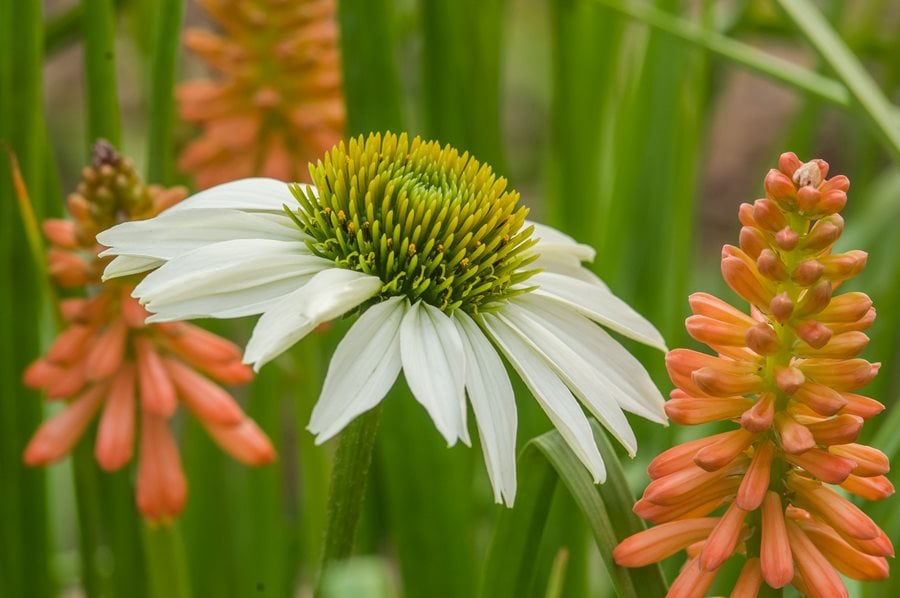
These versatile and low-maintenance perennial plants are perfect for any garden design. With their vibrant colors and ability to attract pollinators, they are a popular choice among gardeners. Also keep an eye out for aster yellows, a systemic plant disease that causes growth deformities in the flowers.
Where does Paradise Gardens Landscape Design Inc provide services?
Weekly topics begin on a Monday, and required assignments are generally due on or before the following Monday. Late assignments will be accepted, but instructor feedback may be delayed, and satisfactory completion of the course may be compromised. Consider optional activities only after completing and submitting required assignments. The final project is a completed garden plan which will reflect your evolving experience and information that you have learned throughout the course. The specific design, style, as well as the mode of executing the final plan will be a matter of your choice and preference. This course presents the proper steps of site assessment, with hands-on activities that demonstrate a property’s ecosystem, characteristics, and existing elements.
Coneflower Echinacea
Participants use real-world design techniques and strategies of proper plant selection and placement. His passion for gardening was rekindled when he moved in the countryside. Even as a child, he was allowed / required to help out in the garden on a regular basis.Through his current experience in online marketing and love of writing, this blog was born.
Common Pests and Diseases
Lamb's-ears is a top pick for a groundcover in a hot, baked spot. Its silver-felted foliage quickly forms a dense, delightful mat. Depending on the type and your growing conditions, it may self-sow freely to the point of becoming a bother.
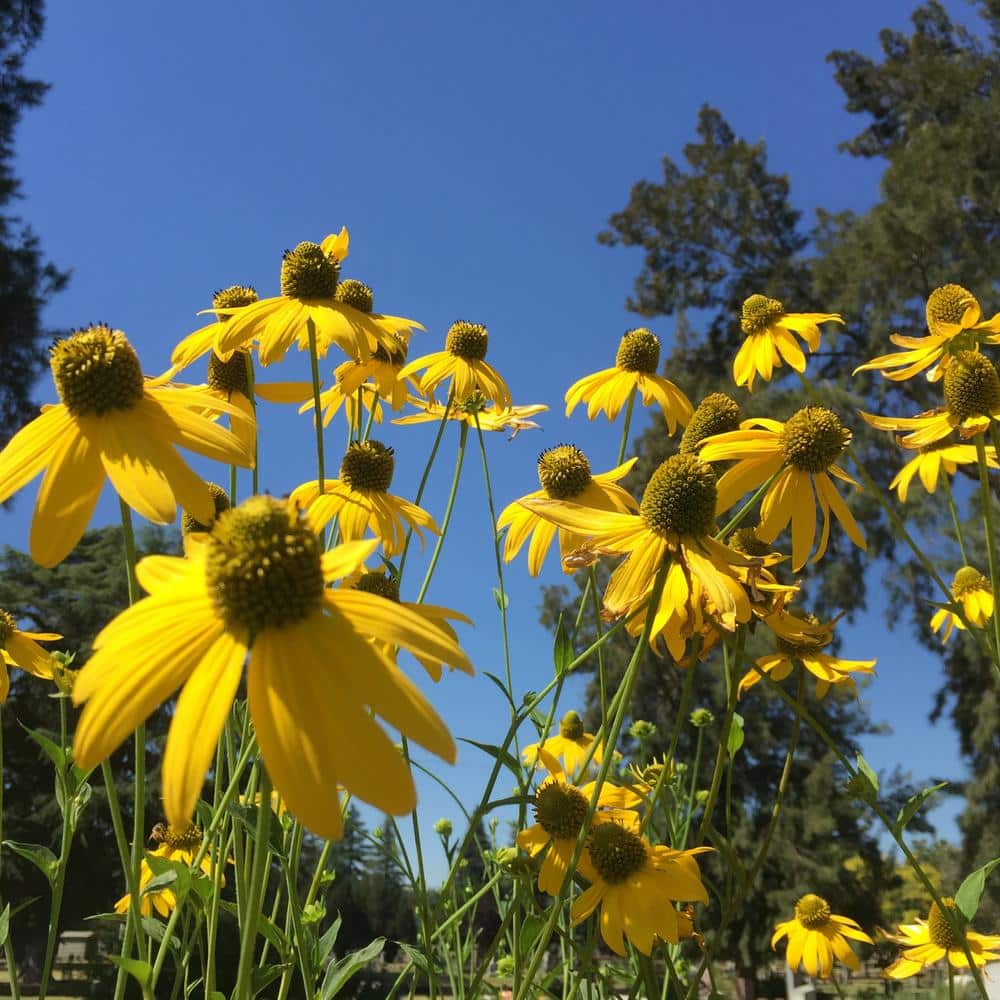
These plants can enhance the beauty of your garden by adding different textures, colors, and heights that complement them. Once planted, water your them regularly, providing about an inch of water per week. Avoid excessive foliage growth by being cautious with amendments and fertilizers. Additionally, consider leaving the seed heads on the plant during fall as they serve as a food source for birds during winter months. They attract pollinators with their late-season nectar and are deer-resistant, making them an excellent choice for any garden. With their long blooming period from mid-summer to fall, they can add vibrant color to your late-season summer garden.
Chelsea Flower Show 2021: A Master Class in Autumn Color
Introduced by Terra Nova Nurseries, this two-toned double flower has a ruffle of salmon-colored rays under a ball of dark coral-red. Flowers are 3 to 4-inches across with tall strong stems well-suited for cut-flowers. This online course teaches the basics of preliminary site analysis and ornamental garden design techniques.
After planting coneflower, you should continue watering it every other day for about three to four weeks to help it get established. "Provide watering at least once a week if hot and dry weather persists," says Roethling. "After a year, hopefully, there should be no need to provide water." When watering, provide about 1 liter of water every time.
Mango Meadowbrite Coneflower is unique with its mango-colored petals and a prominent brown cone. It’s medium height, but it also blooms for an extended period from summer to early fall. The variety of Echinacea purpurea ‘Green Jewel’ is known for its greenish-yellow petals and a similarly colored central cone. This unique variety adds a touch of novelty to garden landscapes, making it an attractive option.
Why It's Better to Plant Wild Greens Than to Forage for Them (Published 2023) - The New York Times
Why It's Better to Plant Wild Greens Than to Forage for Them (Published .
Posted: Wed, 05 Apr 2023 07:00:00 GMT [source]
To manage self-seeding, you can deadhead spent flowers to prevent seed formation. If you want to encourage self-seeding for a naturalized look, allow some seed heads to remain on the plant. You can also thin out excess seedlings in the spring to control their spread. The landscaping options for planting coneflower are almost limitless.
Amy created a landscape design for a portion of a public park in her neighborhood. This class is asynchronous and self-paced in its design, where single topics are opened each week, and build upon each other. Get ready to transform your garden into a colorful oasis with these stunning flowers. "One may need to create a barrier fence around the yard," says Roethling.
Once the perennial has stopped blooming, leave dormant seed heads for winter pollinators. "Gold finches and other birds will scavenge the pods during the winter months," says Roethling. I would consider leaving the seed heads until there's a nub left behind." Then you can cut back the stems.
If you’re looking to create a vibrant garden, you should consider planting coneflowers alongside other purple flowers. They are a beautiful perennial flower that can add color and charm to your landscape design. They come in various varieties, such as ‘Green Envy,’ ‘Razzmatazz,’ and ‘Tangerine Dream,’ each with their own unique characteristics. When choosing the right coneflower varieties for your garden, it’s important to consider how they will complement the overall design of your landscape. Coneflower is typically planted in the ground from a pot, but it's also possible to grow it from seed.
Coneflowers are unfussy about soil texture; they can grow in sandy, rocky, and clay soil with a neutral pH (6.5 to 7.0). Because purple coneflower is native to grass prairies, it prefers well-drained soil. Established plants tolerate drought well although they will bloom better if you water them regularly during dry spells. To keep your coneflower garden in top condition, regular maintenance is key. Deadheading spent blooms encourages continuous flowering, while pruning in late fall helps prevent disease and promotes a tidy appearance. Remember to divide crowded clumps every 2-3 years to rejuvenate the plants and maintain optimal health.
Both people and pollinators love these pretty North American native perennials, which have seen a resurgence in popularity. Echinacea purpurea, the purple coneflower, is the most commonly found Echinacea species. The big blooms are made up of a brownish-orange central cone and a ring of long, slender petals with a pinkish-purple hue radiating out from it. There are many more species and cultivars in different colors to choose from.
Although coneflowers thrive best in a soil high in organic matter, too much supplemental fertilizer can cause them to become leggy. Adding compost each spring usually gives them the nutrition they need for healthy foliage and blooms. Color Coded® ‘Orange You Awesome’ (Echinacea hybrid) produces large deep tangerine flowers with a contrasting dark center cone.




No comments:
Post a Comment