Table Of Content
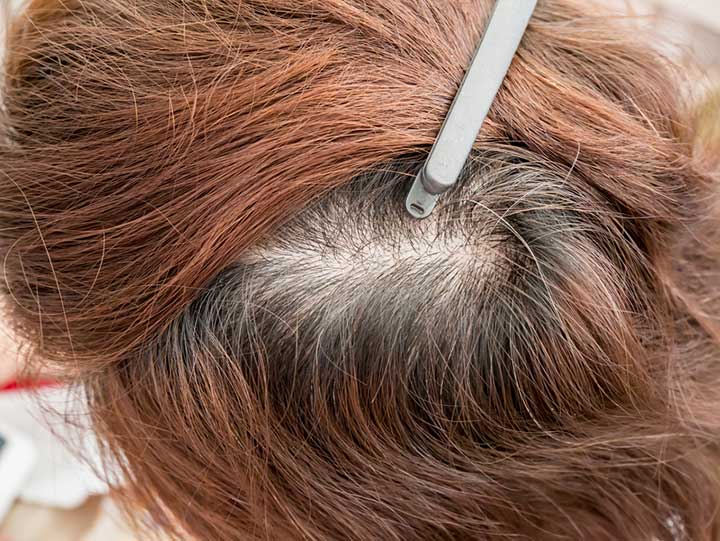
Menopause, when the menstrual cycle stops, causes changes in estrogen and testosterone—hormones involved in regulating the hair cycle. Typically setting on when women are between 45 and 55, these fluctuations can trigger female pattern hair loss. The most common cause of male and female hair loss is androgenetic alopecia, or hereditary pattern balding.
At-Home Treatments
There are several types of hair loss, some are common and some are rarer, and each with different underlying causes. Depending on the underlying cause, it's even possible for some hair thinning cases to improve on their own without treatment. Hair thickness—in terms of the size and shape of each hair follicle as well as how many hair follicles you have on your scalp overall—is influenced by genetics. Yes, treating the thyroid disease can reverse the hair loss.
Special Health Reports

Regardless of whether it develops in a man or women, the medical term is androgenic alopecia. According to the American Academy of Dermatology, it’s completely normal to shed anywhere between 50 to 100 strands of hair per day. However, if you’ve noticed more strands falling out of your head than normal, you may be experiencing alopecia, the medical term for hair loss. Common diagnoses include androgenetic alopecia, alopecia areata, telogen effluvium, and lymphocytic scarring alopecia, Agbai tells USA TODAY. Affecting men and women, alopecia areata occurs when the immune system mistakenly attacks hair follicles.
Effective hair loss treatments for women
In women, the first noticeable sign of hereditary hair loss is usually overall thinning or a widening part. Be gentle with your hair to avoid causing breakage or further damage that can cause it to look even thinner. Everyone's strands tend to get a little sparser as the years go by. But if hair loss or baldness runs in your family, you may be more likely to be affected, according to the American Academy of Dermatology (AAD). A person may need treatment for an underlying condition.
Menopause and hair loss: everything you need to know - Women's Health UK
Menopause and hair loss: everything you need to know.
Posted: Wed, 31 Jan 2024 08:00:00 GMT [source]
Female-pattern baldness
When the hairs reenter the growth phase, the hairs that had been suspended in the resting phase are suddenly released. Another cause of hair loss is called telogen effluvium (TE), which is typically temporary. According to the American Academy of Dermatology (AAD), TE isn’t actually defined as “hair loss,” but rather as excessive hair shedding. If a person notices they are losing more hair than usual, they may have an underlying condition. It is important to consult a doctor to learn what the possible cause and best treatment may be.

Medical Professionals
Along with hair loss, other signs of PCOS include weight gain, acne, and irregular periods. Although it’s more common in men, hair loss regularly affects women and people of other genders. You may experience any one of several types of hair loss, such as hair thinning, a widening part, or patchy hair loss. Certain conditions, including anagen effluvium and alopecia areata, can cause hair to fall out suddenly. People should speak with a doctor to identify the cause of sudden hair loss. Even if your hair loss is hereditary, there are treatments that exist that can help slow or reverse hair loss.
Androgenetic Alopecia Treatments
Having a deficiency in these vitamins may affect your hair growth. Most people can get the amounts of these vitamins they need by following a balanced diet, but in some cases, a doctor may recommend dietary supplements. Thinning hair can grow back depending on what caused it to thin in the first place. People who experience thinning hair due to nutrient deficiencies, stress, pregnancy, and other nongenetic reasons could experience regrowth. Although it’s common to lose hair throughout the day, it’s a good idea to speak with your doctor if you’re losing more than 100 hairs per day. Researchers believe that cortisol, a stress hormone released by your adrenal glands, may disrupt your hair growth cycle.
Coping with traumatic hair loss
How to get thicker hair plus what causes thin hair - USA TODAY
How to get thicker hair plus what causes thin hair.
Posted: Thu, 07 Sep 2023 07:00:00 GMT [source]
Hormonal fluctuations during menopause, pregnancy, or conditions like polycystic ovary syndrome (PCOS) can also contribute to hair thinning. Male and female pattern baldness are the main cause of hair loss. However, lifestyle factors, such as frequent tight hairstyles, and medical conditions, such as alopecia, can also cause hair loss. For androgenetic alopecia, your healthcare provider may indicate topical medications to help prevent further hair loss. Rogaine (minoxidil) formulations are effective for female and male pattern hair loss.
While you may have heard of the negative effects of smoking throughout the entire body (including your skin), smoking has also been linked to hair loss. When applied directly to the scalp twice a day, minoxidil may gradually thicken hair in balding spots. The product is available in either liquid or foam, depending on your preference.
If you have alopecia, you can help hold onto your tresses by avoiding behaviors that are known to contribute to temporary and permanent hair loss, Mirmirani says. Dozens of over-the-counter supplements and products purport to reverse hair loss, making it tough for patients to know which ones work and which don’t. Advanced treatments are available for more serious hair loss. In addition, too much vitamin A and certain medications can also cause telogen effluvium.
You'll reap the biggest benefits by starting treatments sooner rather than later, but be patient. It can take several months of regular use to notice a change, per the Mayo Clinic. If you're considering a supplement, look for one specifically targeted toward addressing hair loss. "I personally recommend Nutrafol to all of my patients," Dr. Hsu says.



No comments:
Post a Comment